Assemblage

Elizabeth Shorrock, Keith Shorrock, Heather Hanna and Seamus Hanna

Assemblage – Elizabeth Shorrock, Keith Shorrock, Heather Hanna and Seamus Hanna

9 April – 13 July 2025

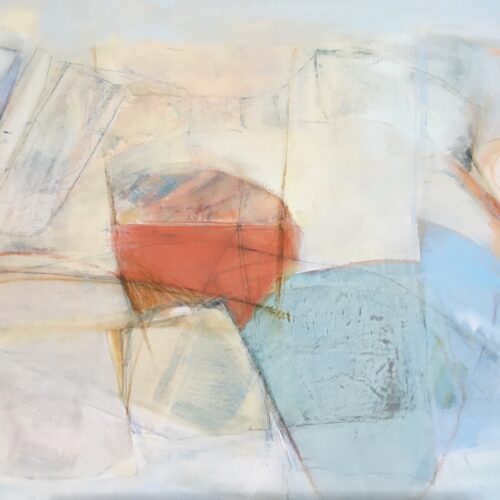
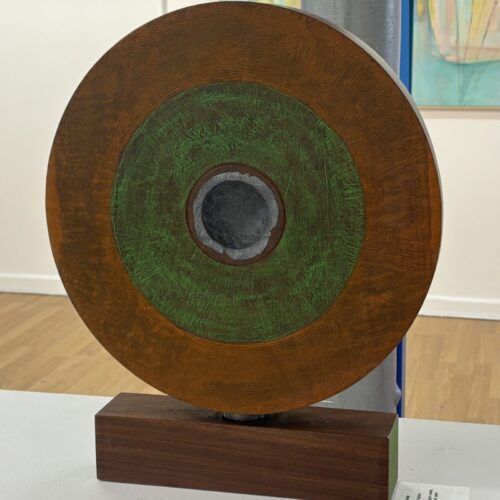
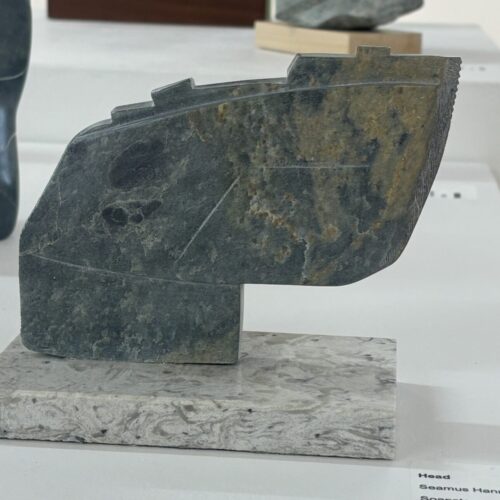
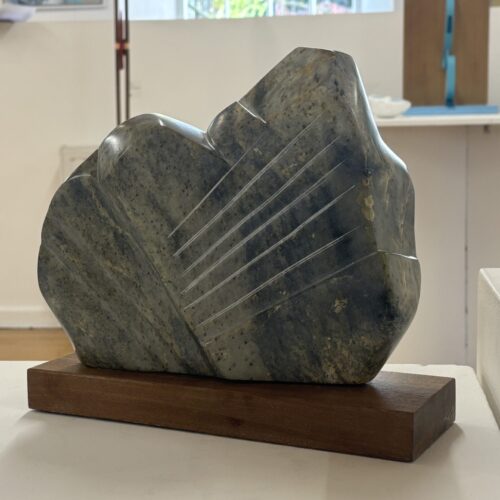
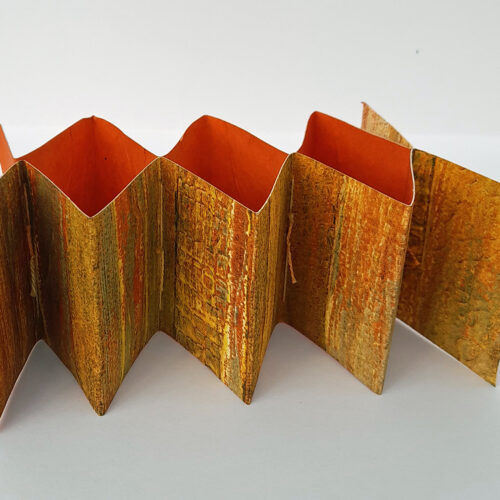
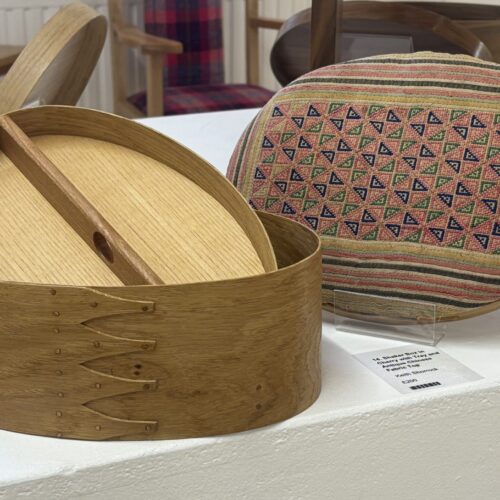
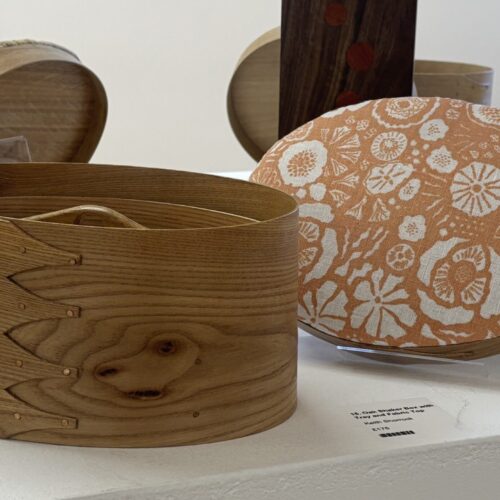
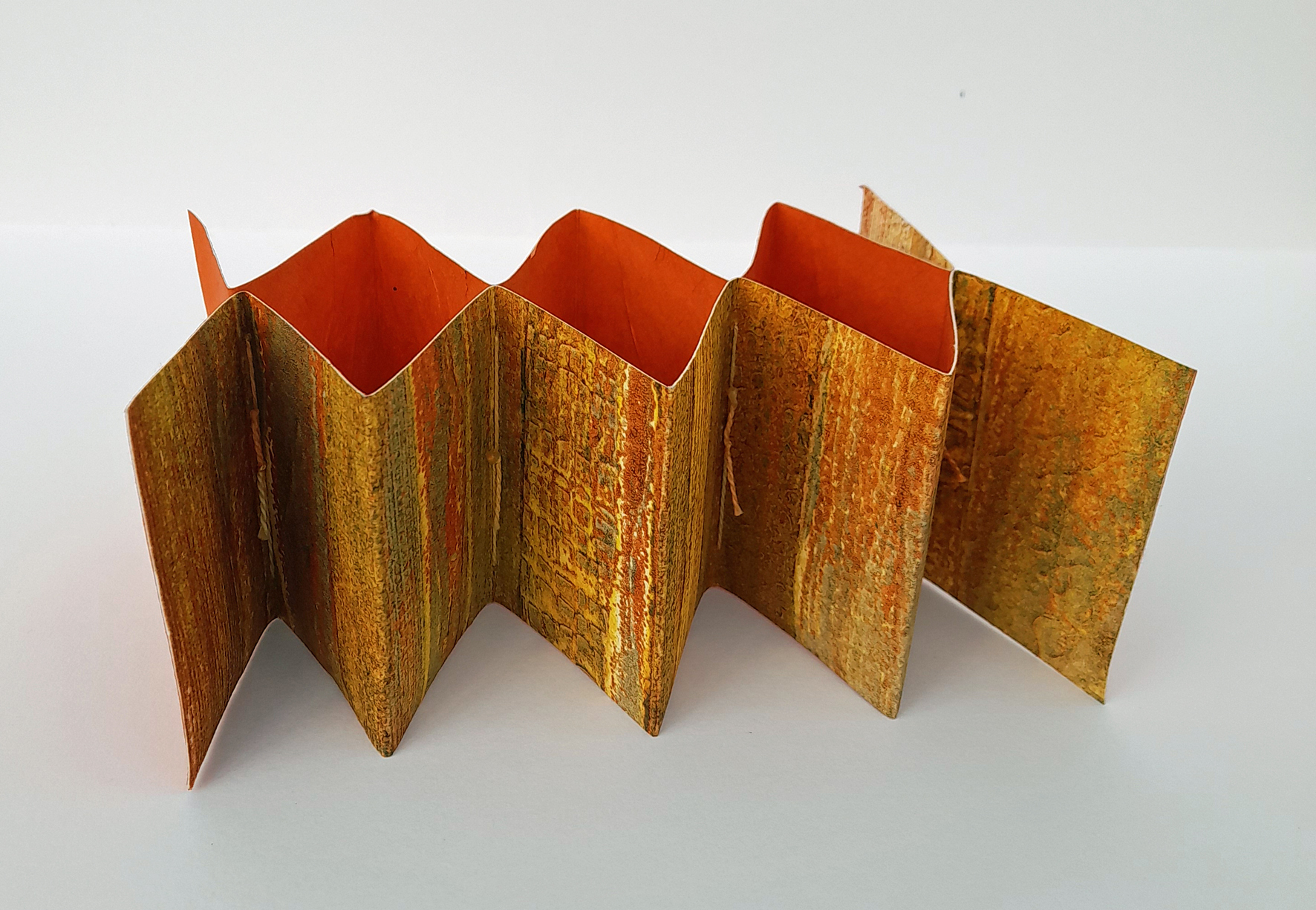
A coming-together of four very different artists/makers based in Cumbria – who all assemble ideas, subject matter, and materials to create harmonious objects and paintings. Visitors will see an array of abstract painting using paint and mixed media (Heather Hanna), abstract sculpture and wall reliefs in wood, stone, metal, plaster and natural fibres (Seamus Hanna), framed wall pieces and artists books using print and collage, and blank sketchbooks (Elizabeth Shorrock), and high quality hand-crafted wooden boxes and small tables (Keith Shorrock). The exhibition will offer a stimulating insight into this artistic collaboration and a visual feast of colour, form, texture, tactility and scale. The gallery walls will display paintings, wall reliefs and prints, whilst the window sills and plinths will hold sculpture, boxes and sketchbooks.
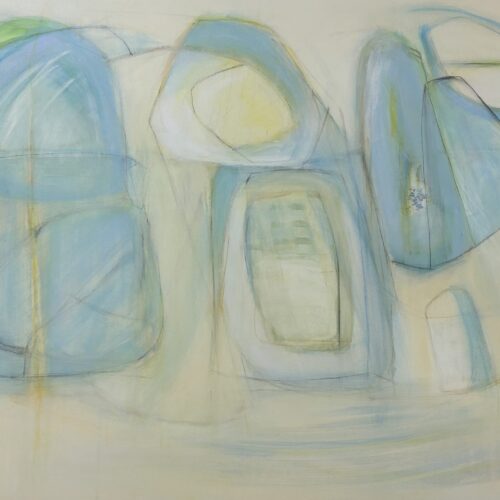
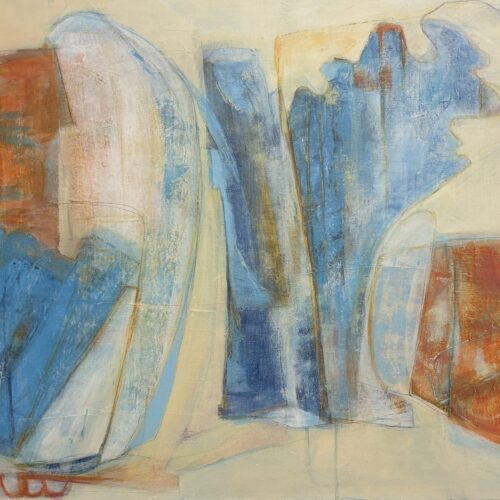
Heather Hanna

My work is influenced by the phenomena of the physical world, including shapes, colours and interactions, and how we use, arrange and interpret objects and structures. The paintings in this exhibition are attempts to find new abstract ways to present this to the viewer.

I currently paint using mainly acrylics, on canvas, cradled boards and paper using both bought and handmade brushes and silicon spreaders, together with charcoal, inks, graphite, pastels, and collage. Sometimes when I work intuitively or from memories, straight onto the surface, the shapes and textures coalesce in unity, and the work comes together quickly. Later, I might recognise in the painting an idea or visual image which has been held in my memory, often for some time. Acknowledging these occurrences often stimulates new ideas or themes. On larger canvases or boards I usually work up sketches to experiment with possible configurations for an acceptable balance of form and colour. I strive to retain a lightness when painting that conveys feelings of calm, and am drawn to a palette of blue, turquoise, and green combined with warm tones of yellow and orange. As a result of the work exhibited here, I am now beginning to investigate the relationship between shape and space in relation to ridges, rows, alignments and the notions of burial.

Heather Hanna

Heather Hanna

Heather Hanna

Heather Hanna

Heather Hanna

Heather Hanna

Seamus Hanna

My abstract art practice has always focused on sculpture and takes inspiration from the natural and built environments around me, other modern artists and my Irish cultural heritage. I explore the interplay between form, space, volume, tension, texture and balance. This has two strands: large constructions in wood and metal often minimal or linear in nature with the spaces and forms having equal importance; and smaller organic, solid, textured objects.

The work may begin from preliminary sketches or evolve from juxtaposing different materials or individual elements against one another to determine a viable structure, responding directly to the materials in hand and controlled by the scope of the fabrication methods. Pieces often gestate over a long period of time. Often individual completed elements will be set aside and incorporated with others into a different sculptural arrangement at a later date. This flexibility and way of working is crucial to my thinking and further exploration and the making process is integral to the spirit and nature of the finished pieces.

Colour is also important in my work, either covering all available surfaces or used to highlight specific elements to provide visual contrast and reference points, or from natural tones within stone and wood. This is informed by and relates directly to my 2-D reliefs and collaged structures.

Seamus Hanna

Seamus Hanna

Seamus Hanna

Seamus Hanna

Seamus Hanna

Seamus Hanna

Elizabeth Shorrock

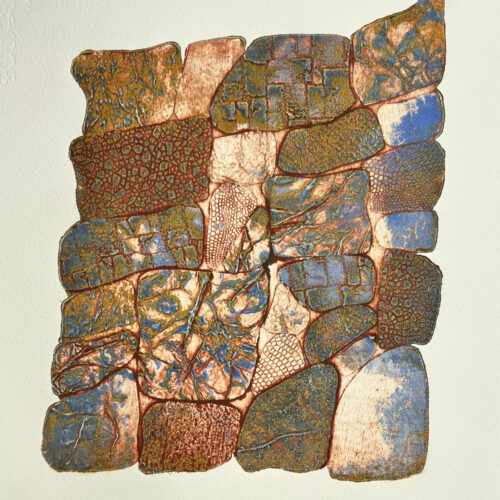
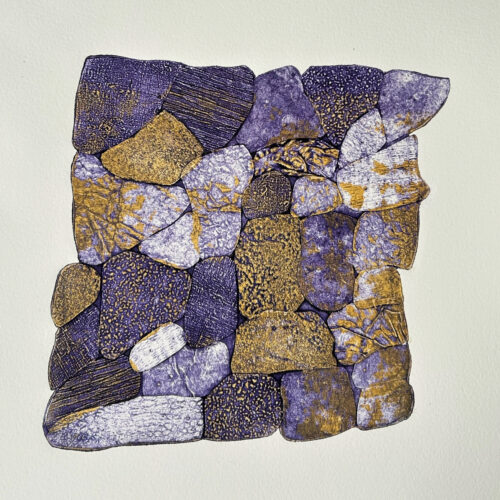
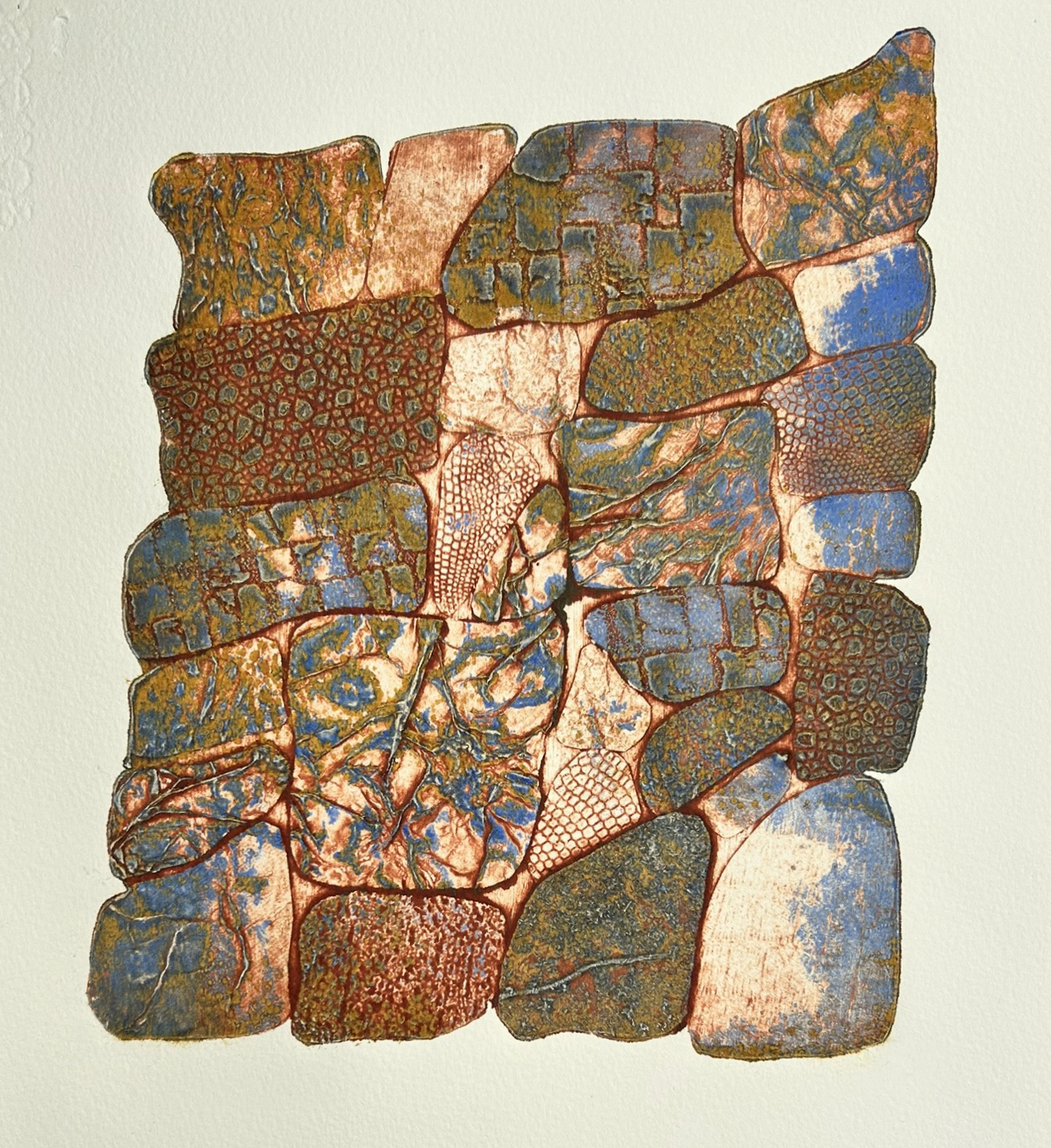
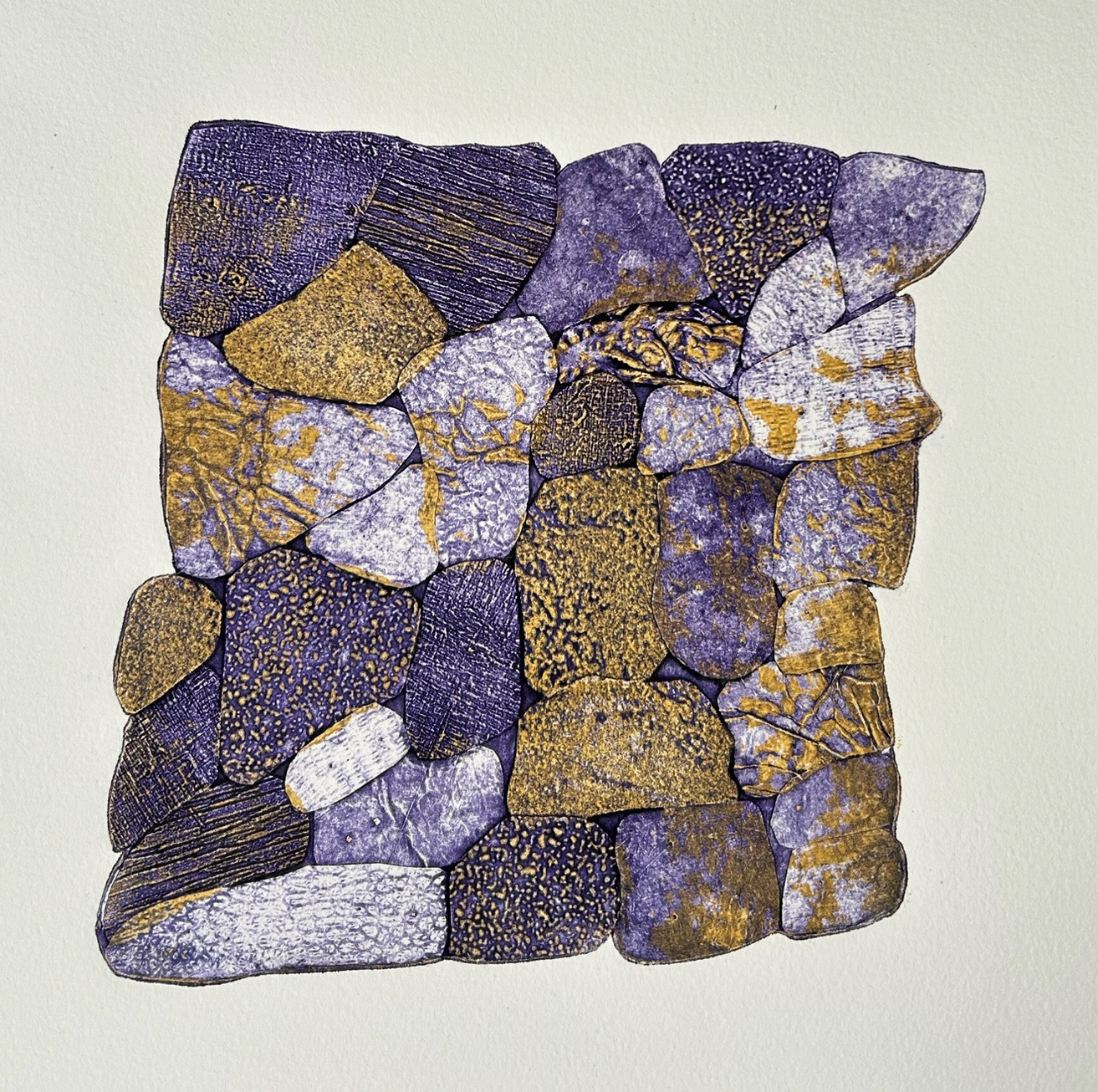
Elizabeth enjoys working with a variety of printmaking techniques, choosing the technique to suit the subject matter. Her current body of work is inspired by the many photographs she has taken of walls be they the drystone walls that surround us in the Lake District or the walls of ruined abbeys and churches. Others have been taken at archaeological sites in the Hebrides and on Orkney. It is the textures and patterns that fascinate and so collagraph printing was the obvious choice. The plates have been made on a substrate of grey board using textured papers, mainly wallpapers (thank you B&Q) cut into the shape of the stones. The plate is then sealed with shellac and can then be inked and printed.

Elizabeth uses Akua intaglio inks which are soy based for the ease of use and clean up and also for their vibrant colours. The plate is first inked as if it was an etching plate by pushing the ink into all the crevices and the wiping the plate with scrim and then tissue. It can be printed at that stage but she takes another colour of ink of a different viscosity (usually thicker) and rolls it over the surface. Because of the textured surface and the way the two inks react to each other this second colour only catches on some of the plate. Sometimes a third colour of another viscosity (usually thinner) is rolled over the plate. The plate is then printed onto dampened paper using an etching press. The resulting print has different colours but has only been through the press once saving the need for registration. A second print , usually referred to as a ghost print, can then be taken. Sometimes Elizabeth does another viscosity roll before doing this.

The use of the viscosity rolls brings an element of serendipity to the prints. Although the colours have been chosen the result is always a surprise, that moment when the blankets are pulled back never fails to excite. Because of the way the plates are inked it is would be difficult to reproduce the effect exactly to make an edition and so Elizabeth’s prints are marked V/E standing for Variable Edition.

Elizabeth Shorrock

Elizabeth Shorrock

Elizabeth Shorrock

Keith Shorrock

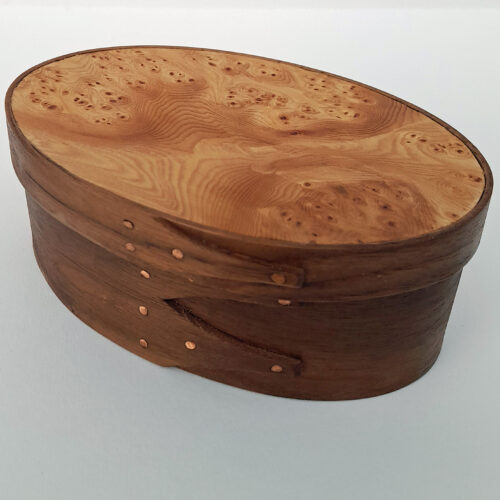
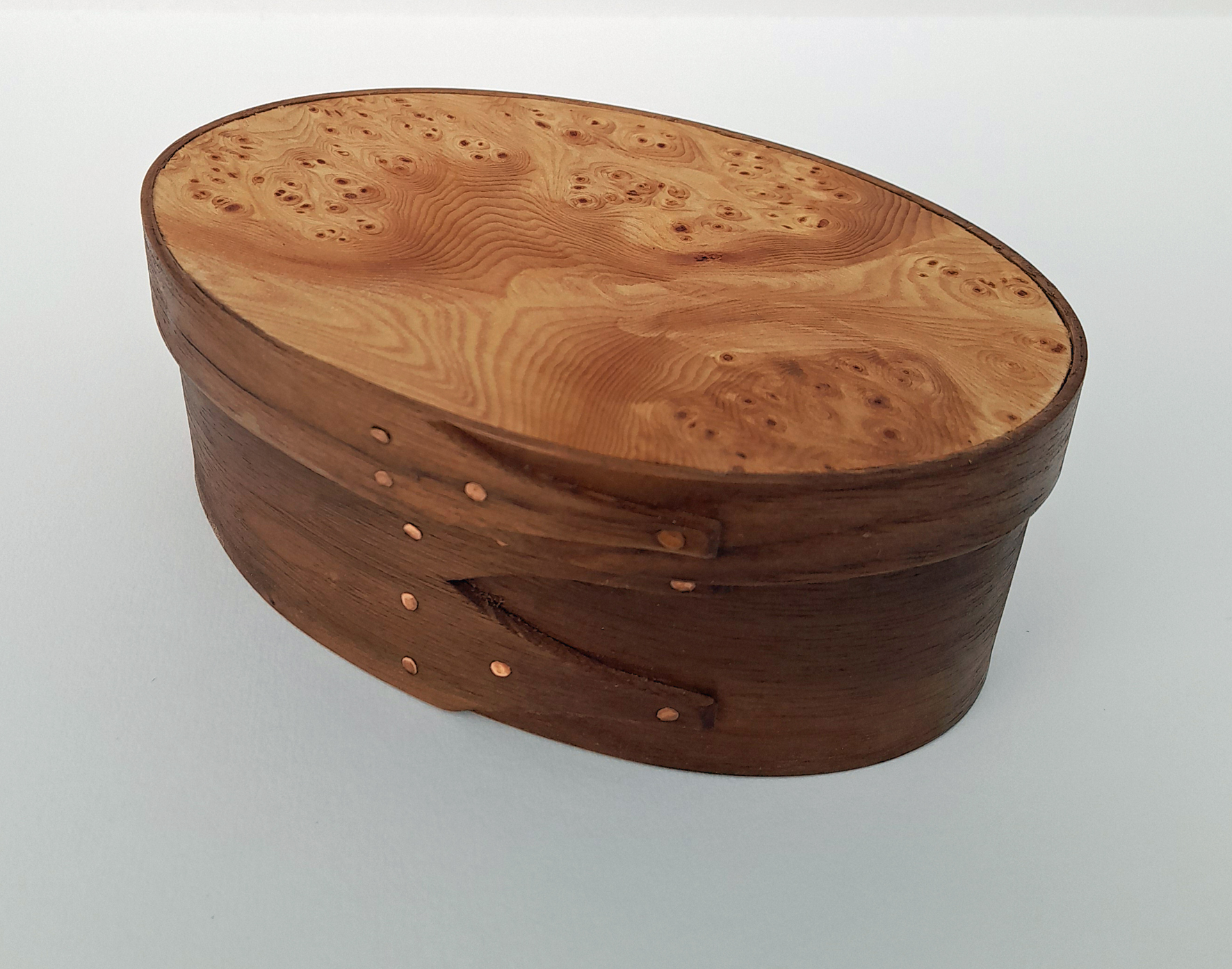
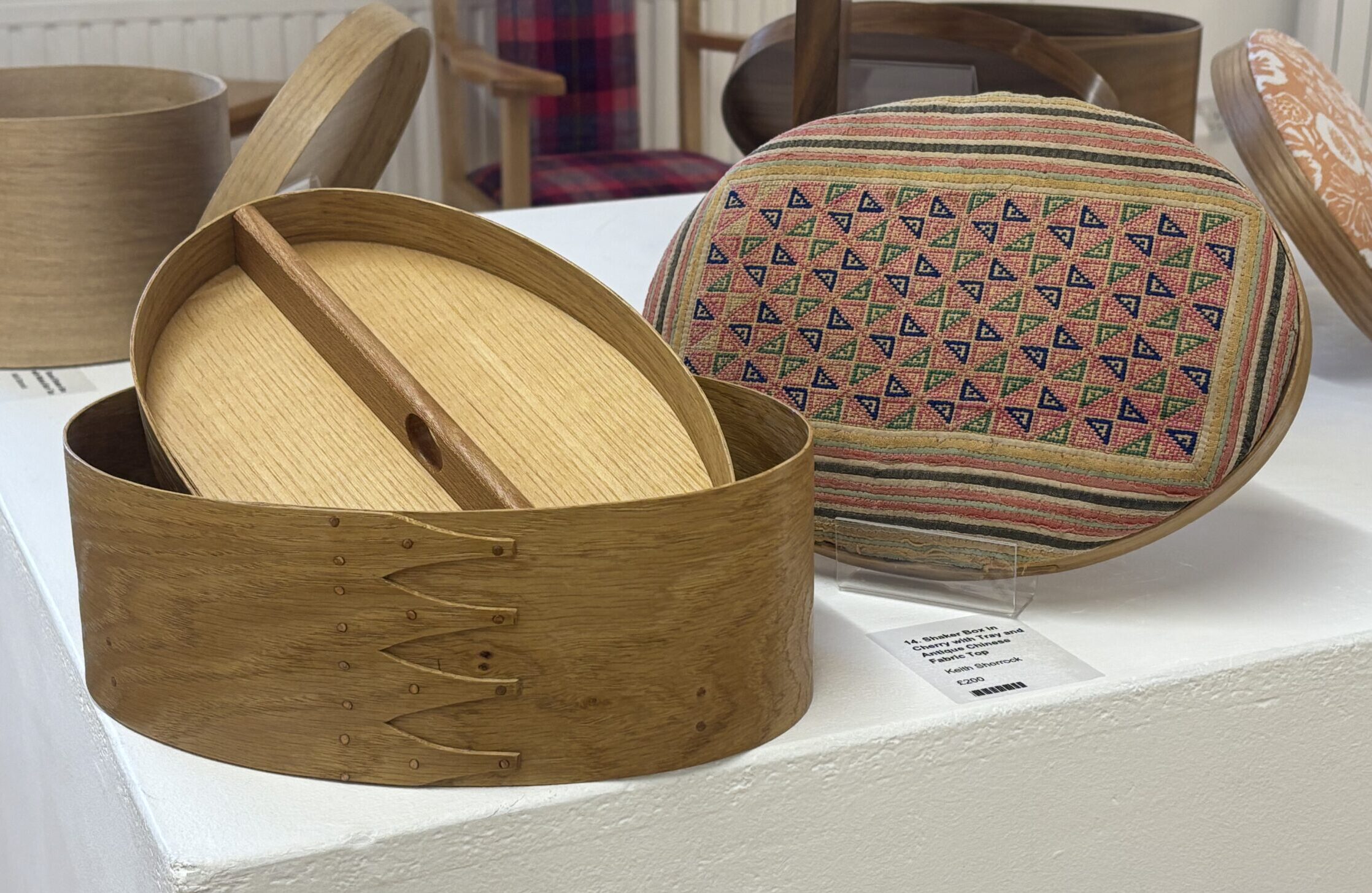
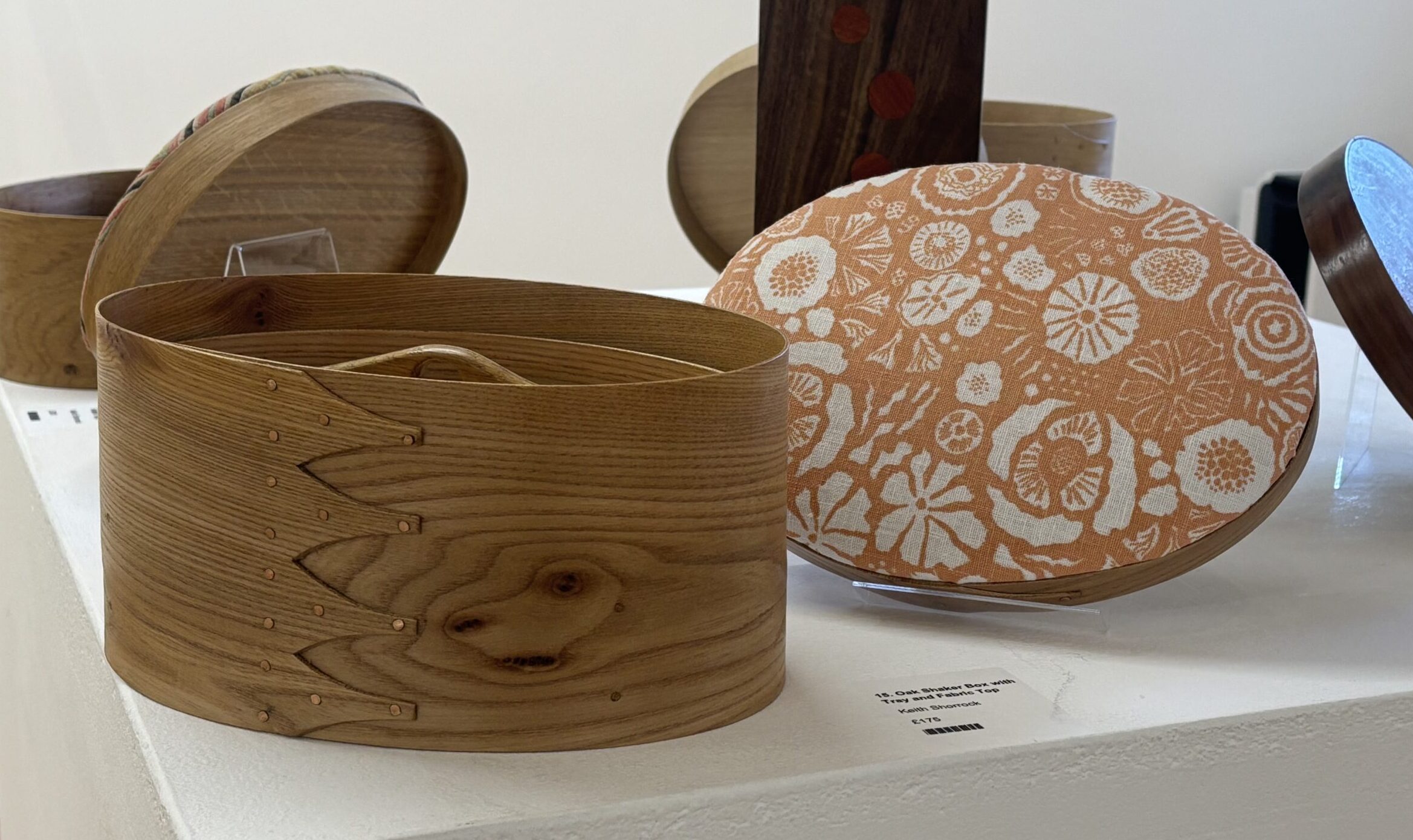
I was taught woodwork at school and really enjoyed it. (I now have sawdust in my blood) However I did not develop my professional interest until I left teaching in 2007. At that time I decided to make woodwork my new career. The Shaker boxes came about when I was given a two day box making course. From then I have been building the traditional boxes but also stretching what is possible. I use a lot of fabric for the top and sometimes inside of boxes. I enjoy finding unusual and antique fabric. Some I use is over a hundred years old. I work a lot with embroiderers and quilters. They find my sewing boxes very attractive.  I also make a loose topped box that can be used to display individuals’ own work, examples of which are in this exhibition. The furniture came a little later, starting with the Gin and Tonic table. This is one of my most popular pieces. Chairs are the thing I most like making. They are not easy but there is great satisfaction in designing and making them.

keith Shorrock

keith Shorrock

keith Shorrock